
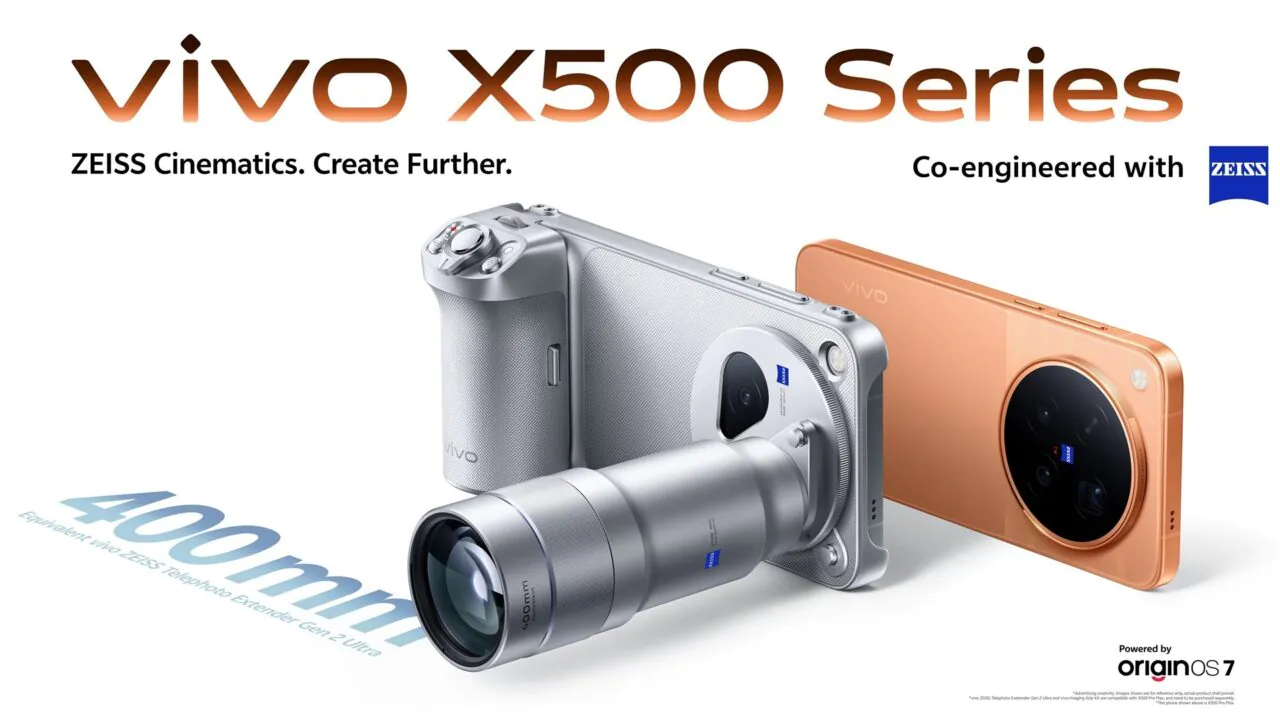
The vivo X500, X500 Pro, and X500 Pro Max have now officially launched in China, bringing a collection of high-end imaging features that include up to 17 stops of dynamic range, 4K video recording at 240fps, advanced Log recording capabilities, and, on the Pro Max, support for a huge ZEISS telephoto extender.
Vivo has spent the last few generations transforming its X-series into one of the most ambitious smartphone camera platforms on the market. The X300 Pro already established itself as a serious photography-focused flagship, while the X300 Ultra took things to another level with a massive 200MP primary camera and an almost outrageous 400mm telephoto lens attachment. With the new X500 series, vivo is keeping that camera-first philosophy intact - but this time, the company is putting considerably more emphasis on video.
The timing of the launch is particularly interesting. Apple has just unveiled its iPhone 18 Pro lineup, while other major Android manufacturers are preparing their own camera-centric flagships. The X500 Pro Max is also the second of six expected Pro Max-branded smartphones reportedly arriving this month, following the iPhone 18 Pro Max.
A New Main Camera With 17 Stops of Dynamic Range
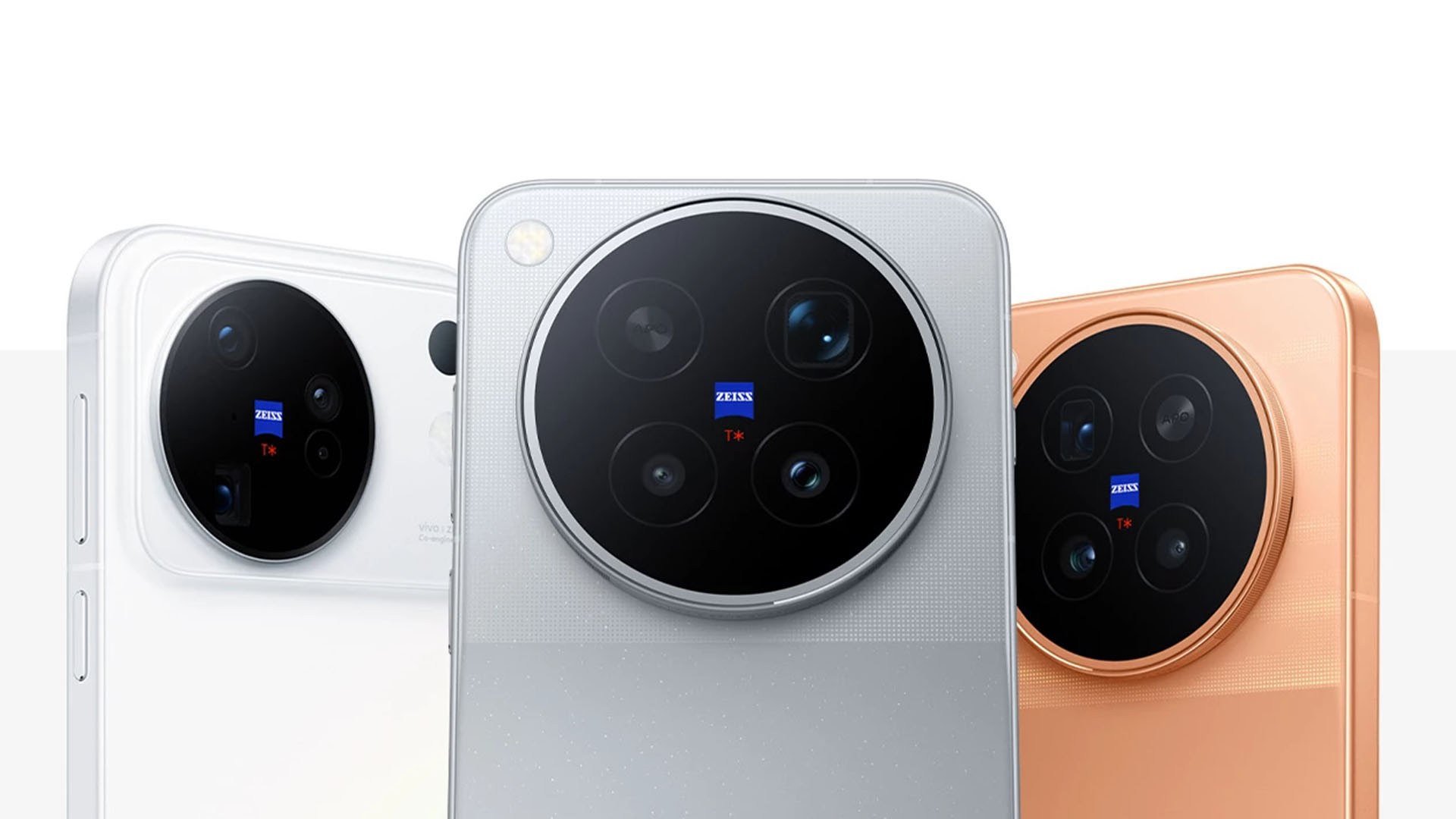
Both the X500 Pro and X500 Pro Max feature Sony's new LYTIA L910 main camera sensor. The 1/1.28-inch sensor uses LOFIC technology, which is designed to expand the sensor's dynamic range by improving its ability to handle extremely bright and dark areas within the same frame.
Vivo claims the LYTIA L910 can deliver up to 17 stops of dynamic range. In practical terms, that should give the cameras considerably more latitude when shooting challenging scenes, such as landscapes with bright skies, backlit subjects, or scenes containing a mixture of deep shadows and strong highlights.
The Pro Max takes stabilization a step further with three-axis, gimbal-grade stabilization. Both its main and telephoto cameras are also rated for CIPA 7.0 stabilization, potentially making handheld photography and video considerably steadier.
The 200MP Telephoto Returns
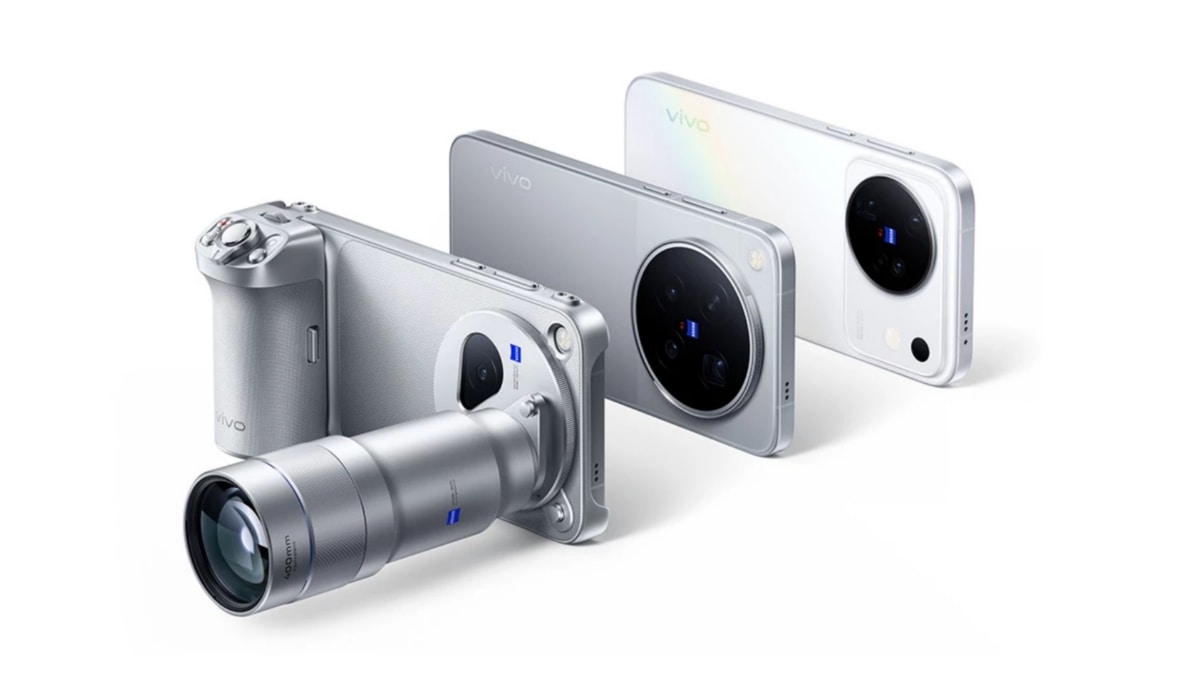
Vivo is also carrying over one of the most extreme pieces of camera hardware from the X300 Ultra. The X500 Pro Max gets the 200MP ZEISS APO telephoto camera, along with compatibility with the second-generation 400mm-equivalent ZEISS Telephoto Extender.
With the extender attached, vivo says the system can achieve roughly 17x optical magnification. Combined with the optional grip and external optics, the phone starts to resemble a compact interchangeable-lens camera rather than a conventional smartphone.
It is an unusual approach, but it reinforces vivo's strategy of treating the X-series as a complete imaging system rather than simply a collection of smartphone cameras.
Video Becomes the New Battlefield
While photography remains a major part of the X500 series, video is arguably where vivo has made its biggest leap.
The Pro models can record native 4K video at up to 240fps, allowing users to capture high-resolution slow-motion footage without having to drop down to Full HD. The phones also support 4K/120fps autofocus tracking, 4K Cinematic Portrait Video, and a range of cinematic-inspired color profiles.
For professional and enthusiast users, however, the more significant addition may be vivo's 17EV TrueDynamic Log mode.
The X500 Pro models support 10-bit 4:2:2 video encoding and ACES, giving creators considerably more flexibility during post-production. Vivo has also introduced an official DaVinci color transformation designed to make it easier to bring footage into a professional color-grading workflow.
The phones can additionally produce hardware-assisted 4K/120fps 10-bit Log output, which could make them particularly appealing to creators who want to integrate smartphone footage into a larger professional production.
Vivo is also bringing 8K Native Live to all three X500 models. The company says this feature is designed to maintain consistency between the Live Photo frame and the video captured alongside it, creating a more seamless combination of stills and motion.
Camera Features Trickling Down to the Standard X500
Perhaps one of the most interesting aspects of vivo's strategy is how much of this imaging technology is making its way into the standard X500.
The regular X500 uses the same 1/1.28-inch LYTIA 828 main sensor found in the X300 Pro. It also features a 64MP LYTIA 610 telephoto camera with CIPA 5.5 stabilization.
Despite being the entry-level model in the lineup, the X500 supports 4K/120fps slow-motion recording, 4K/120fps 10-bit Log video, and 4K/60fps Cinematic Portrait Video across its focal lengths.
Vivo is even offering an external ZEISS Telephoto Extender for the standard model. The smaller accessory provides a 200mm-equivalent focal length, meaning the company is not limiting its external-lens ecosystem exclusively to the Pro Max. The previous X300 also supported a 200mm external lens, so this represents a continuation of vivo's broader accessory strategy.
Flagship Hardware and Huge Batteries
Under the hood, the X500 Pro and X500 Pro Max are powered by MediaTek's Dimensity 9600 Pro, a 2nm flagship processor. Vivo pairs the chipset with its V3+ and VS1+ imaging processors to handle the phones' demanding photography and video workloads.
The X500 Pro Max is the largest and most heavily equipped model. It features a 6.85-inch 2K ZEISS Master Color display and an enormous 8,000mAh battery.
The smaller X500 Pro comes with a 6.36-inch display and a 6,510mAh battery, while the standard X500 uses the Dimensity 9600M chipset, a 6.59-inch display, and an impressive 7,500mAh battery. It also supports 90W wired charging and 40W wireless charging.
Pricing and Availability
Vivo has opened pre-orders for the X500 series in China starting September 21, with general sales scheduled to begin on September 24.
The standard X500 starts at CNY 5,499 (approximately $821) for the 12GB/256GB configuration. The X500 Pro starts at CNY 6,499 (around $970) for the same 12GB/256GB configuration.
The X500 Pro Max starts at CNY 6,999 (approximately $1,045) for its 12GB/256GB base model. At the top of the range, the 12GB/1TB version reaches CNY 8,999, or roughly $1,343.
Vivo is expected to follow the Chinese launch with an international rollout, although the company has yet to announce specific global markets or international pricing.
With the X500 series, vivo appears to be evolving its flagship camera strategy rather than simply adding bigger sensors and higher megapixel counts. The combination of extreme zoom hardware, high-dynamic-range sensors, professional Log recording, 4K/240fps capture, and increasingly sophisticated stabilization suggests that vivo wants the X-series to compete not only as smartphone cameras, but also as serious video-production tools.