
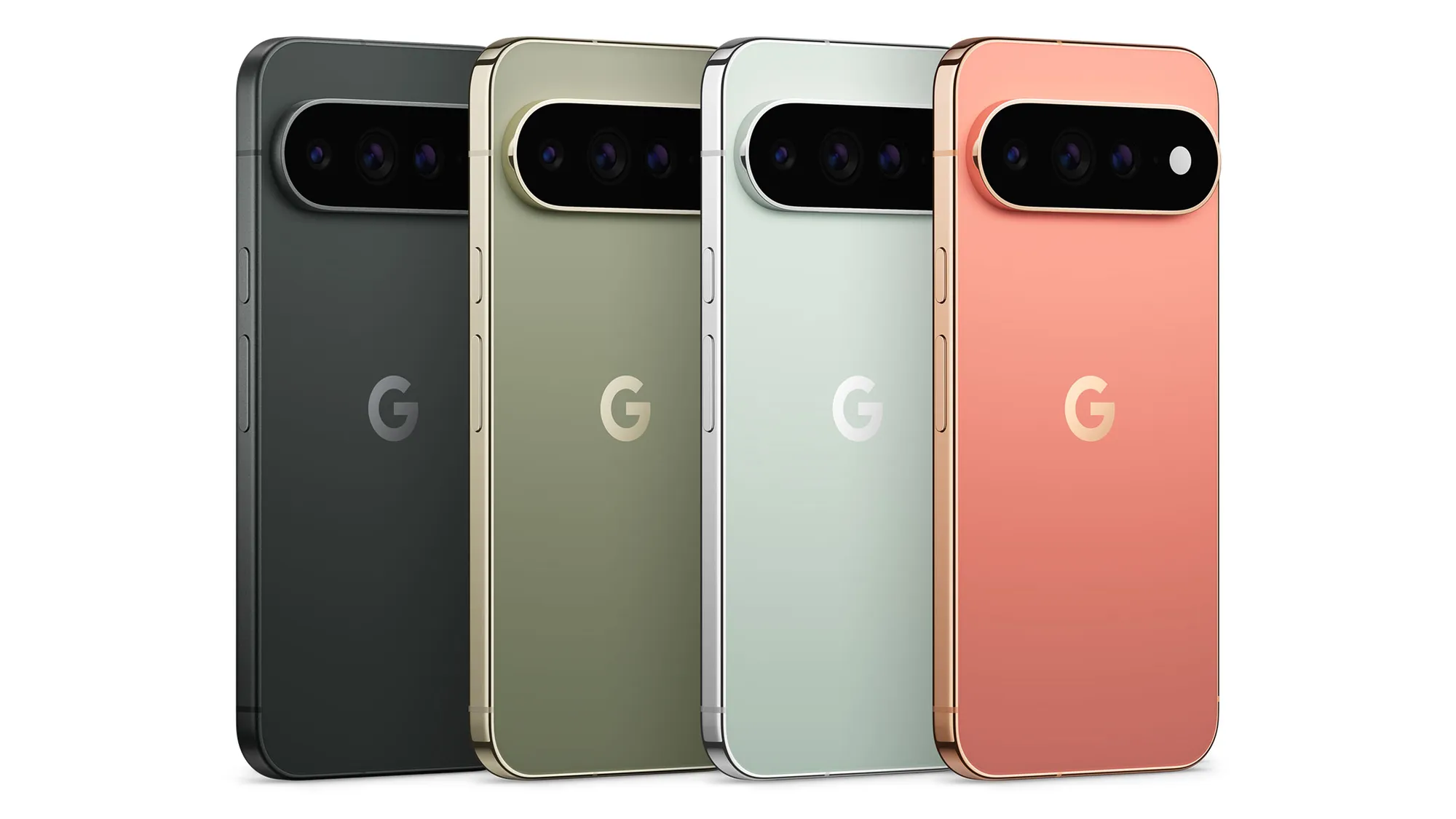
Google has unveiled four new smartphones - the Pixel 11, Pixel 11 Pro, Pixel 11 Pro XL, and Pixel 11 Pro Fold- bringing a new Tensor G6 chip, a redesigned camera bar, brighter displays, and a much stronger focus on AI-powered features.
The most noticeable design change is the camera bar. Google has redesigned it with edge-to-edge glass that flows into the phone's metal frame, creating a look that is intended to better match the company's broader hardware ecosystem, including Pixel Snap chargers, cases, and the Pixel Watch.
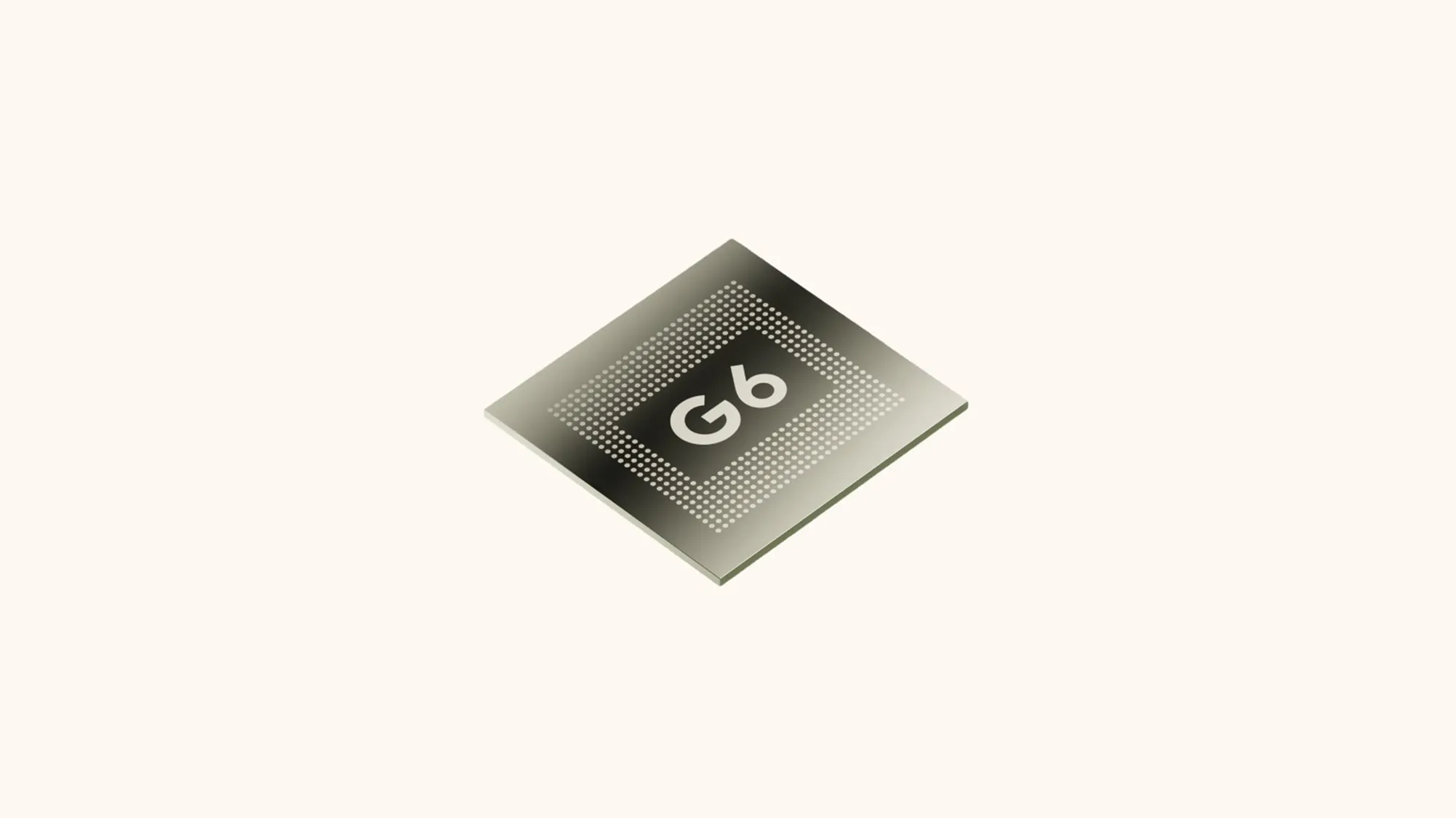
At the heart of the new phones is Google's Tensor G6 processor. The company claims the chip delivers a 50 percent increase in TPU compute performance, which is expected to improve computational photography, speed up Night Sight captures, and make on-device AI features more responsive. The phones also include a new Titan M3 security coprocessor, which Google says incorporates post-quantum cryptography and meets the same security certification standard used for SIM and bank cards.

Google has also upgraded the displays across the Pixel 11 lineup. The standard Pixel 11 features a 3,000-nit Actua display, while the Pixel 11 Pro and Pro XL get a 3,600-nit Super Actua panel. Google says the new Pro displays are 9 per cent brighter and more than twice as scratch-resistant as the previous generation. The internal display on the Pixel 11 Pro Fold is also 20 per cent brighter than its predecessor.
Storage has been upgraded across the lineup as well. All four models now start at 256GB, eliminating the 128GB base-storage option found on last year's entry-level models. Google is also promising seven years of OS, security, and Pixel Drop updates for every phone.
As expected, some features remain exclusive to the higher-end models. The new HiLight ambient lighting feature built into the camera flash is limited to the Pixel 11 Pro and Pro XL, while the standard Pixel 11 and Pro Fold don't receive it. Zoom capabilities are also divided between the models. The Pixel 11 Pro and Pro XL support Pro Zoom up to 120x, while the Pixel 11 and Pro Fold max out at 30x Super Zoom.
Several software features, however, are available across the entire lineup. Magic Capture lets users capture a share-ready photo and video simultaneously with a single swipe, while Camera Looks introduces customizable film-style presets.
The phones also get full support for Gemini Intelligence, which Google is positioning as one of the biggest highlights of the Pixel 11 generation.
The new features come with a higher price tag across the board as the starting price for each model is increased as follows - Pixel 11 - $899, Pixel 11 Pro- $1,099, Pixel 11 Pro XL- $1,299, Pixel 11 Pro Fold- $1,899.
Pixel Watch 5
The new Pixel Watch 5 focuses heavily on health, fitness, and AI-powered coaching. According to Google, the smartwatch can track blood pressure patterns and insulin resistance trends over time, while continuing to offer features such as AFib detection, stress monitoring, SpO2 tracking, and breathing-rate monitoring. The collected information can be viewed through the Google Health app.
Fitness tracking also gets a significant overhaul. The Pixel Watch 5 introduces a pre-workout Readiness Score, custom strength and HIIT circuit creation through Google Health, and real-time audio and visual coaching during workouts. Dual-frequency GPS is designed to provide a more reliable connection in dense urban areas, while a new Key Metrics view makes it easier to review workout performance afterward.
Sleep tracking has been expanded with a new Sleep Breathing Quality metric that analyzes overnight variations in blood oxygen saturation. Existing features such as sleep-stage tracking and Smart Wake Alarms remain, while the redesigned Morning Brief combines sleep, readiness, and weather information in a single summary.
Google is also introducing Google Health Coach, a Gemini-powered feature available through Google Health Premium. It can create adaptive fitness plans and provide ongoing feedback based on data such as sleep, fitness, and cycle health. Buyers receive three months of Google Health Premium at no additional cost, and the service is also included with Google AI Pro and Google AI Ultra subscriptions.
On the hardware side, the Pixel Watch 5 is powered by Qualcomm's Snapdragon W5 Gen 2 "Accelerated" chip, which Google says is 20 per cent faster than the previous generation. It features an Actua 360 display protected by scratch-resistant Gorilla Glass. Battery life is rated at up to 30 hours for the 41mm model and up to 40 hours for the 45mm version. A new Quick Charge Dock can reportedly provide up to 15 hours of use after just 15 minutes of charging.
The pricing of the Pixel Watch 5 is $399. Google has also announced a Special Edition Pixel Watch 5 created in collaboration with Stephen Curry, featuring a unique band and custom watch face.
Gemini Intelligence
AI is arguably the biggest theme of the Pixel 11 generation. Google describes Gemini Intelligence as making the new Pixels more "agentic," allowing Gemini to proactively use information from a user's apps and help complete tasks.
For example, Gemini can surface calendar availability when someone asks whether you're free. In the US, users can also hand over routine tasks such as ordering groceries or booking a ride directly to Gemini.
Another feature allows Gemini to make phone calls to businesses on the user's behalf. Users can follow the conversation through a live transcript and take control of the call whenever necessary.
Google is also improving voice-to-text and writing assistance. New tools can clean up spoken messages in real time, while writing features can understand what's displayed on the screen and help draft or rewrite responses in the user's personal style.
Accessibility is another area benefiting from the technology. Google is introducing real-time sign-language translation through Pixel Camera and Gboard, allowing sign language to be converted into text to help deaf and hard-of-hearing users communicate with people who don't know sign language. Live Transcribe is also getting a redesigned interface.
Customers who purchase a Pro or Fold model receive six months of Google AI Pro at no additional cost, which Google values at $119. The subscription includes expanded Gemini access, 5TB of cloud storage, and Google Health Premium.
Pixel Tag
Google has also officially introduced the long-rumored Pixel Tag, its new item-tracking device designed to compete with products such as Apple's AirTag.
Pixel Tag works with the Find Hub network on Android 9 and newer devices. Users can pair a tag, assign it a name, and share access with up to 10 people. When an item goes missing, its location can be viewed on a map in the Find Hub app. If the tag is nearby, its built-in speaker can be activated to make it easier to locate.

For more precise positioning, Google says Pixel Tag combines Ultra-Wideband technology with Bluetooth Channel Sounding. This can help locate a tag hidden inside a bag, underneath furniture, or in another hard-to-find location. If the tag moves beyond Bluetooth range, the wider Find Hub network can help locate it using nearby Android devices. Google says the network includes more than one billion devices. Pixel Tag can also notify users if they leave an item behind or if an unknown tag appears to be traveling with them.
The tracker is made from stainless steel, measures less than two inches in length, and offers around a year of battery life.
Pixel Tag is priced at $29 for a single unit and $99 for a four-pack, with availability scheduled for November 11.